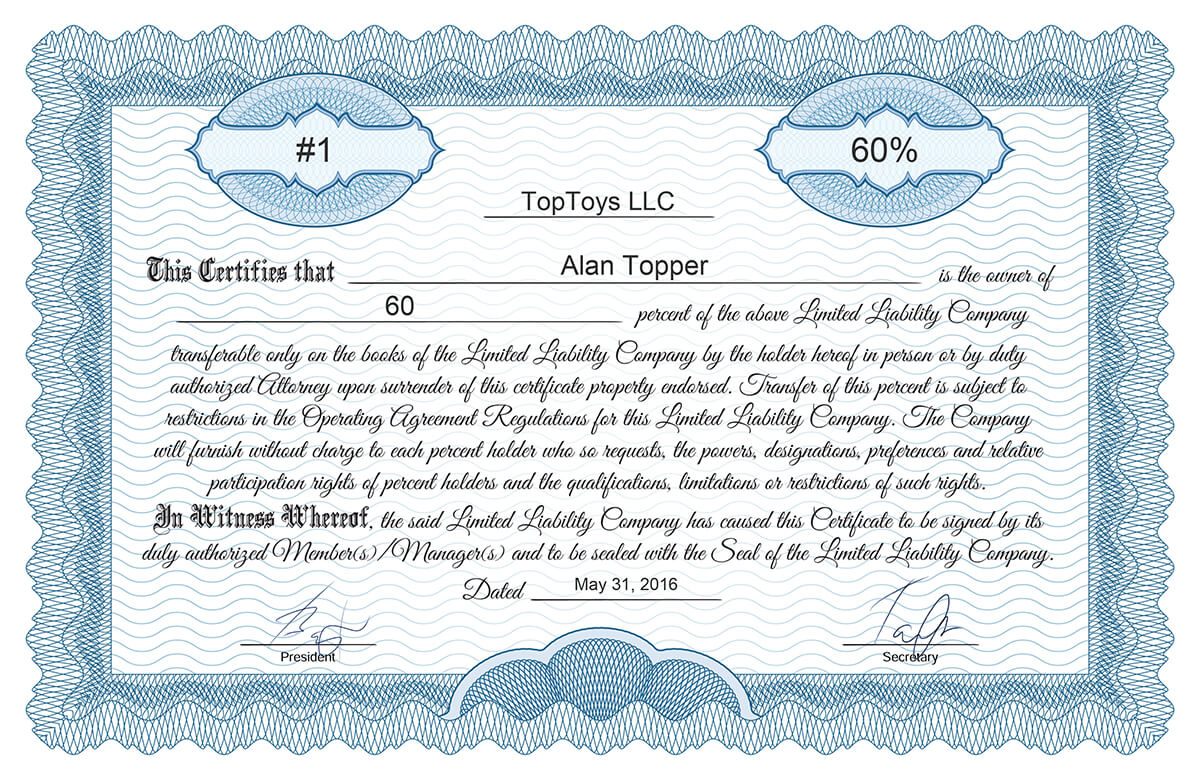
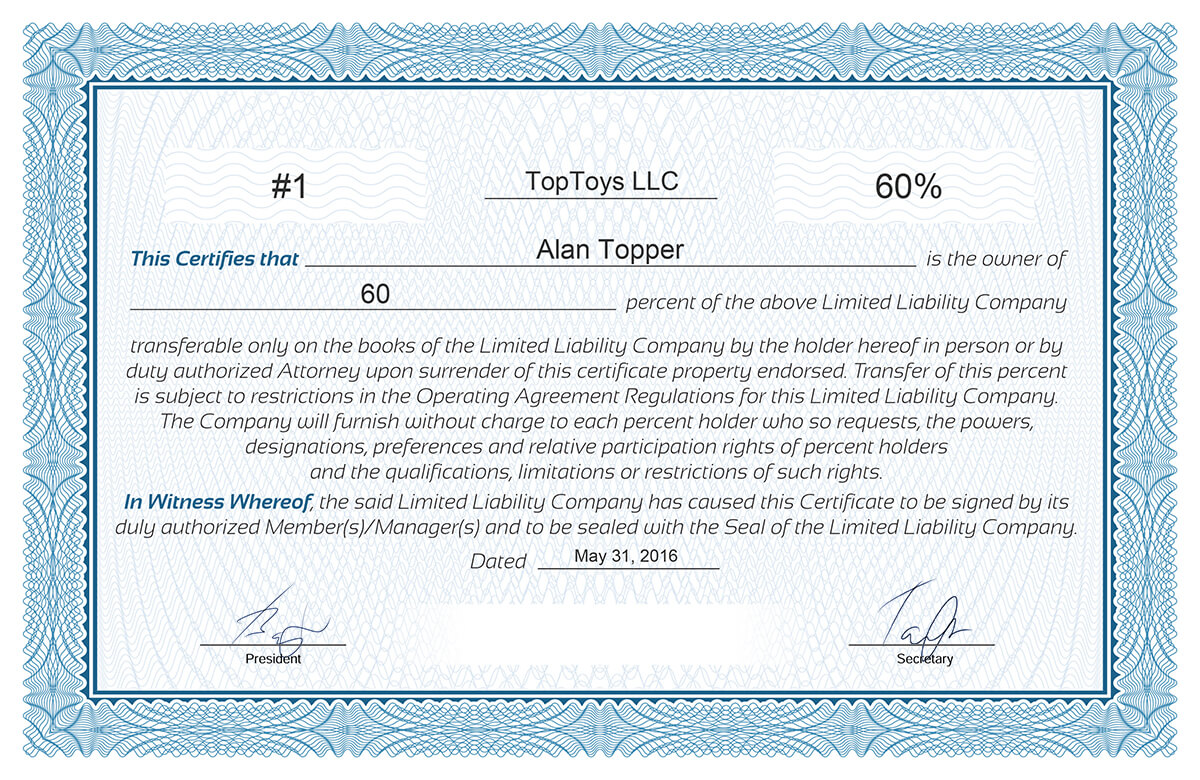
Use free stock certificate generator to get your Corporation and/or membership cerfificate for LLC.
It is quick and easy. You can pick from several colors and designs of stock certificate forms.
STOCK CERTIFICATE MEMBERSHIP CERTIFICATEIn this sci-fi epic, the Belters live in a communal polyamorous “family” structure (a polyamorous clan ). Drummer’s storylines involve political intrigue, loss, and love across multiple partners. The show never stops to explain or apologize for the dynamic; it simply presents it as a working, loving system. The romance is in the loyalty, the shared risks, and the mourning of a lost partner—not in sexual exclusivity.
Why are they open? Is it a long-distance arrangement? A difference in sexual needs? An ideological commitment to polyamory? The reason should feel organic to the characters.
The most powerful emotional weapon in the open-relationship storyline is —the feeling of joy when your partner experiences joy with someone else. This is the anti-jealousy. A compelling open-relationship arc doesn't erase jealousy; it forces characters to negotiate it.
To understand the disruption, we must first appreciate the power of the traditional model. The classic romantic storyline is a drama of acquisition . The protagonist’s journey is to win the exclusive affection of the beloved. The primary source of conflict is the rival —the other suitor, the ex-lover, the tempting stranger. Jealousy, in this context, is not a problem to be solved but a signal of true love’s depth. It is the fire that must be passed through to prove devotion.
For decades, mainstream romantic narratives operated on a strict, predictable currency: monogamy. The standard blueprint required two people to meet, overcome a series of external or internal obstacles, and ultimately commit to each other exclusively. Any deviation from this path—usually in the form of infidelity—served strictly as a dramatic catalyst, a moral failing, or the tragic end of a bond.

In this sci-fi epic, the Belters live in a communal polyamorous “family” structure (a polyamorous clan ). Drummer’s storylines involve political intrigue, loss, and love across multiple partners. The show never stops to explain or apologize for the dynamic; it simply presents it as a working, loving system. The romance is in the loyalty, the shared risks, and the mourning of a lost partner—not in sexual exclusivity.
Why are they open? Is it a long-distance arrangement? A difference in sexual needs? An ideological commitment to polyamory? The reason should feel organic to the characters.
The most powerful emotional weapon in the open-relationship storyline is —the feeling of joy when your partner experiences joy with someone else. This is the anti-jealousy. A compelling open-relationship arc doesn't erase jealousy; it forces characters to negotiate it.
To understand the disruption, we must first appreciate the power of the traditional model. The classic romantic storyline is a drama of acquisition . The protagonist’s journey is to win the exclusive affection of the beloved. The primary source of conflict is the rival —the other suitor, the ex-lover, the tempting stranger. Jealousy, in this context, is not a problem to be solved but a signal of true love’s depth. It is the fire that must be passed through to prove devotion.
For decades, mainstream romantic narratives operated on a strict, predictable currency: monogamy. The standard blueprint required two people to meet, overcome a series of external or internal obstacles, and ultimately commit to each other exclusively. Any deviation from this path—usually in the form of infidelity—served strictly as a dramatic catalyst, a moral failing, or the tragic end of a bond.