The Kids Are All Right (2010) broke ground by showcasing a blended family structure headed by a lesbian couple, disrupted and reshaped by the introduction of their children's anonymous sperm donor. The film treats their family dynamics with the same mundane, messy realism as any heterosexual household, proving that the challenges of communication, boundaries, and teenage rebellion are universal, regardless of the family's specific architecture.
The film's strength lies in its refusal to portray reconciliation as easy or inevitable. The parents' plan to adopt and unite the family backfires spectacularly. Buried emotional scars, fears of displacement, and resentments accumulated over years all surface in the confined setting of the lake house. Yet within this chaos, the film finds humor and, ultimately, a tentative hope for forgiveness. busty stepmom stories nubile films 2024 xxx w verified
Explore the of how these tropes shifted from the 1950s to today. Share public link The Kids Are All Right (2010) broke ground
Pixar's Turning Red brilliantly uses the fantasy of turning into a giant red panda to externalize the internal chaos of adolescence and family expectation. The film’s core tension is between a Chinese-Canadian girl and her protective, traditional mother—but it's also a story about a family living between two cultures. It examines "the tension [the father] faces in balancing his support for his daughter's emotional needs with the expectations of conventional Chinese masculinity," a narrative with deep resonance for immigrant and bicultural families. The parents' plan to adopt and unite the
Modern blended family films consistently reject the fantasy that love happens immediately. Instant Family makes this its central theme: Pete and Ellie must learn to choose love for children who do not initially return it. The Steps shows adult children who have decades of history with their biological parent struggling to accept a new spouse. These films argue that in blended families, love is not a feeling that arrives unbidden but a practice that must be cultivated over time.
The saccharine utopia of the 1970s TV show became a perfect target for 90s irony. The film transplants the "prototypical blended family" into a grunge-era Los Angeles, presenting their wholesome 70s values as a hilarious anachronism. In doing so, it brilliantly deconstructs the very myth of the perfect stepfamily, acknowledging it as a fantasy that both comforts and limits us.
%20(8).jpg)
Start Ashtanga yoga with these 10 easy beginner-friendly poses. Clear instructions, modifications, and benefits. No experience needed - practice today!

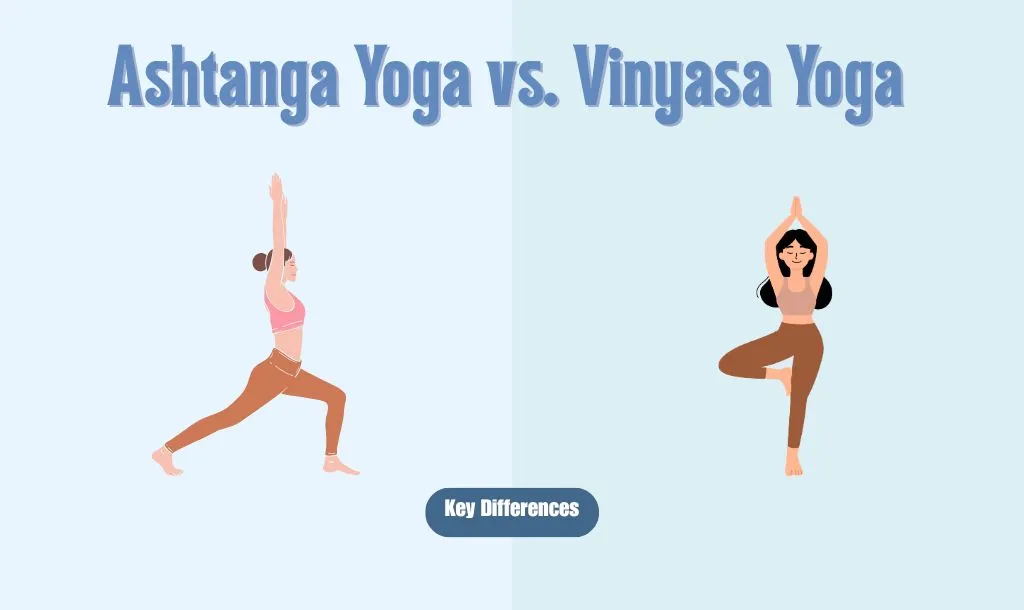
Ashtanga vs. Vinyasa yoga: Learn how these yoga styles differ in flow, structure, and philosophy. Find the perfect fit for your journey and goals!

Discover the 8 limbs of Ashtanga Yoga from Patanjali's ancient wisdom. Learn each limb's meaning and how to apply it in modern practice. Start your journey today!


© Copyright 2025 MyYogaTeacher Inc